
Uma província com défice hídrico crescente
O Punjab está a perder água subterrânea mais rápido do que a natureza pode substituí-la, enquanto fazendas, vilas e cidades competem por recursos limitados. Um estudo que cobre cinco anos hídricos de 2012 a 2017 estimou que os reservatórios de água subterrânea estavam a diminuir em cerca de 5.5 mil milhões de metros cúbicos por ano. Também encontrou que o Punjab necessitava de mais 10 mil milhões de metros cúbicos de água utilizável anualmente para fechar a diferença entre oferta e demanda e sustentar o seu aquífero, a camada subterrânea de rocha e solo que retém água.
Índice
- Uma província com défice hídrico crescente
- A importância da água subterrânea
- O que os níveis decrescentes de água significam no terreno
- Solar pumps bring relief and a new pressure
- Climate and changing supplies add uncertainty
- Rules exist, but monitoring remains weak
- Measures that could slow the decline
- The Bottom Line
Os números descrevem uma província que alimenta grande parte do Paquistão e depende fortemente da água sob os seus campos. No entanto, as contas de água do estudo terminam em 2017, enquanto o número de bombas e a forma como os agricultores as alimentaram desde então mudaram. A escala do défice atual não é conhecida com precisão. O problema central é evidente: o Punjab depende da água subterrânea para manter os cultivos a crescer, mas as extrações estão a pôr essa oferta sob pressão.
O estudo da agência alimentar das Nações Unidas encontrou que a demanda superou a oferta em todos os setores, incluindo agricultura e cidades. Descreveu também o declínio dos recursos fluviais e doce, lacunas nos dados de água e crescente competição entre utilizadores. Na província, a escassez de água não é simplesmente sobre haver pouca chuva. Também é sobre para onde a água vai, quão eficientemente é utilizada e se as extrações são acompanhadas e geridas.
A importância da água subterrânea
A água subterrânea é água armazenada abaixo da superfície. Os agricultores bombeiam-na através de poços tubulares, enquanto agregados familiares e empresas também dependem dela. Em muitas partes do Punjab, os poços fornecem 80 a 100 por cento da água utilizada para agricultura. Em todo o Paquistão, a água subterrânea fornece cerca de 90 por cento das necessidades de água de agregados familiares rurais e mais de 70 por cento das necessidades de água de agregados familiares urbanos, segundo o Estudo do Banco Mundial.
O Punjab representa cerca de 90 por cento da extração de água subterrânea do Paquistão. Um estudo de política estima que a abstração nacional de água subterrânea, ou seja, a água bombada, é de cerca de 65 mil milhões de metros cúbicos por ano, comparada com uma recarga de cerca de 55 mil milhões. Poços tornaram-se mais importantes enquanto os agricultores procuravam uma backup fiável quando a água dos canais não chegou. No Punjab, a participação da água subterrânea nas fornecimentos de água para agricultura aumentou de 8 por cento em 1960 para 50 por cento em 2010, e excedeu metade em 2020. Alguns agricultores nos extremos dos canais recebem menos água de superfície e devem bombear mais. Isso pode significar custos maiores e maior risco para pequenas explorações, que talvez não possam pagar um poço mais profundo à medida que os níveis de água caem.
O que os níveis decrescentes de água significam no terreno
As figuras das autoridades mostram o quão generalizada tem sido a mudança. A área do Punjab onde a água subterrânea estava mais profunda do que 60 pés atingiu 7,701 quilómetros quadrados em 2024, contra 641 quilómetros quadrados em 2004. Em Lahore, a profundidade média reportada aumentou de cerca de 31 pés para 78 pés ao longo dessas duas décadas. Em Pakpattan, aumentou de 29 pés para 73 pés. A água subterrânea ficou mais profunda em 30 dos 31 distritos entre 2014 e 2024.
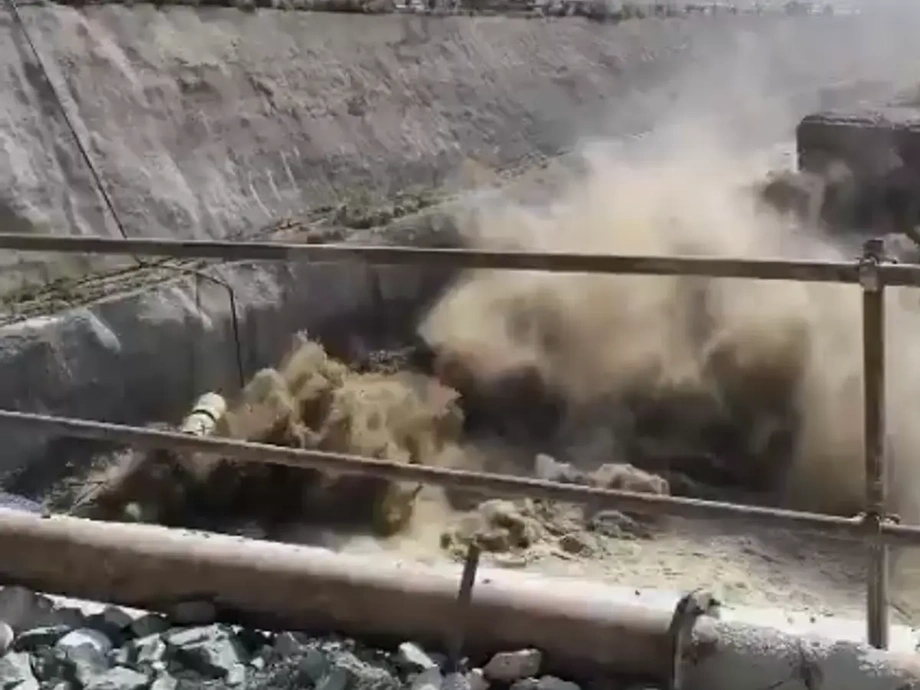
Em Lahore, mais de 1,800 tubo wells pump about 4.32 million cubic metres of water a day. One study puts the city's water table decline at roughly one metre a year in recent years. Across Punjab, about 15 percent of irrigated areas already face critical declines, according to the policy study. A falling water table means a pump must reach farther down to lift water. That can raise the cost of irrigation and put wells beyond the reach of poorer farmers.
Water quality is another part of the crisis. Salinity, pollution and naturally occurring contaminants can make water unsuitable for drinking or irrigation. The groundwater is relatively good quality across much of Punjab compared with Sindh, but some areas of Punjab have saline water. Poor drainage can also leave salts in the soil and water. More pumping alone cannot solve a shortage if the water drawn up is unsafe or too salty for crops.
Solar pumps bring relief and a new pressure
Solar panels have made it cheaper for many farmers to run tube wells, particularly after electricity prices rose. For a farmer trying to save a crop, sunlight can replace costly grid electricity or diesel and make water available when needed. But a cheaper pump also removes some of the financial limits on how often a farmer can pump.
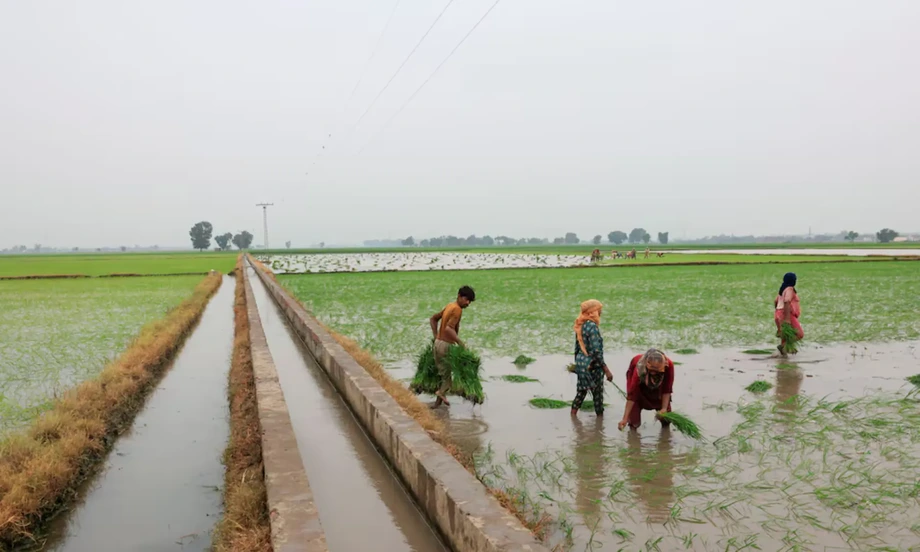
Estimates indicate that solar power now runs roughly 650,000 tube wells across Pakistan, including about 400,000 pumps switched from grid electricity and 250,000 newly acquired since 2023. Farmers interviewed in Punjab described irrigating rice paddies more often, sometimes several times a day. National agricultural land devoted to rice grew by 30 percent between 2023 and 2025, while land planted with less water intensive maize fell by 10 percent.
Those trends do not show exactly how much of the groundwater decline solar pumps caused. Rainfall and floods can replenish groundwater, and water use differs from farm to farm. Punjab's irrigation minister Muhammad Kazim Pirzada described solar power as clean energy while warning that it was also affecting the water table. The practical challenge is to keep the savings solar brings farmers from turning into unlimited pumping.
Climate and changing supplies add uncertainty
Climate change makes planning harder by disrupting rainfall and the timing of water flows. Higher temperatures increase evaporation and crop water needs. Shifts in rainfall, earlier snowmelt, floods and droughts can all affect how much water reaches rivers and seeps back into underground stores.
Punjab's water supply also depends on river and canal flows. The assessment found that river flows had fallen by about 30 billion cubic metres after the 1960 Indus Waters Treaty, and that the province has only 1.7 percent of its area in wetlands. The treaty allocates the waters of the Indus river system between India and Pakistan. India's suspension of its participation in the agreement in 2025 added to Pakistan's concerns about water security. The province still faces a domestic task: making better use of the water it receives and keeping track of what is taken from the ground.
National projections point to rising competition for water. A World Bank study projected agricultural demand increasing from 136.9 billion cubic metres in 2015 to 146.8 billion in 2025, a rise of 7.2 percent. It also projected per person water availability falling from 1,500 cubic metres in 2010 to 1,000 in 2025 and 900 by 2050. Population growth means that the same total supply must serve more people, even before climate effects are counted.
Rules exist, but monitoring remains weak
Pakistan has laws and policy goals for water, but rules are unevenly enforced and groundwater pumping is poorly measured. The National Water Policy of 2018 calls for better groundwater knowledge and management. The Punjab Water Act of 2019 provides a provincial legal framework. A policy study says enforcement is inconsistent and poorly resourced, while responsibility is divided among agencies focused on canals, city supply and the environment.
The scale of pumping makes oversight difficult. Pakistan had more than 1.5 million tube wells by 2024, with 79 percent in Punjab, according to the study. Many are unlicensed and unmetered, meaning authorities do not have a complete count of how much water each well takes. Punjab's monitoring network includes about 3,000 observation bores, but roughly half are nonfunctioning, and the remaining readings can contain errors.
A law can set duties, but it needs working monitoring and clear responsibility to shape what happens in a field. Without reliable measurements, officials cannot readily identify the most depleted areas, compare pumping with recharge or check whether restrictions are working. Farmers, in turn, may be asked to change practices without knowing how much water is available locally or whether their neighbours are pumping freely.
Measures that could slow the decline
The assessment recommends a provincial water commission to review water supplies, demand, policies and institutional responsibilities. It also proposes a coordination cell in the Planning and Development Department. Such bodies can bring agencies together, but their usefulness depends on having reliable data, technical staff and the power to put decisions into practice.
Other measures focus on using less water and replacing some of what is removed. Drip and sprinkler irrigation deliver water in controlled amounts, rather than covering whole fields with flood irrigation. These systems require investment and training, so affordable finance and practical help for farmers matter. Crop incentives could also be adjusted so that water intensive crops such as rice and sugarcane are not encouraged in places where aquifers are already under severe stress.
Recharge projects can help capture water that would otherwise run away. Options include restoring wetlands, building recharge wells and small storage structures, and harvesting rainwater in towns. Treating wastewater for safe reuse could reduce the pressure on freshwater supplies. The policy study also recommends licensing and metering wells, improving water accounting, and setting up a National Groundwater Council.
Canal maintenance is part of the solution too. More dependable deliveries could reduce the need for farmers, especially those at canal ends, to turn to wells. Pricing changes may encourage conservation, but they are more credible when farmers can see that water charges support repairs and reliable supply. The aim is to manage canal water and groundwater together, rather than treating them as unrelated resources.
The Bottom Line
- Punjab's groundwater depletion was estimated at 5.5 billion cubic metres a year in water accounts covering 2012 to 2017.
- About 90 percent of Pakistan's groundwater pumping takes place in Punjab, where wells supply much of the water used for farming.
- By 2024, groundwater was deeper than 60 feet across 7,701 square kilometres of the province, up from 641 square kilometres in 2004.
- Solar pumps reduce farmers' energy costs but can make frequent pumping easier, while water use and aquifer levels remain inadequately monitored.
- Better measurement, efficient irrigation, reliable canals, careful crop planning and groundwater recharge are among the proposed responses.